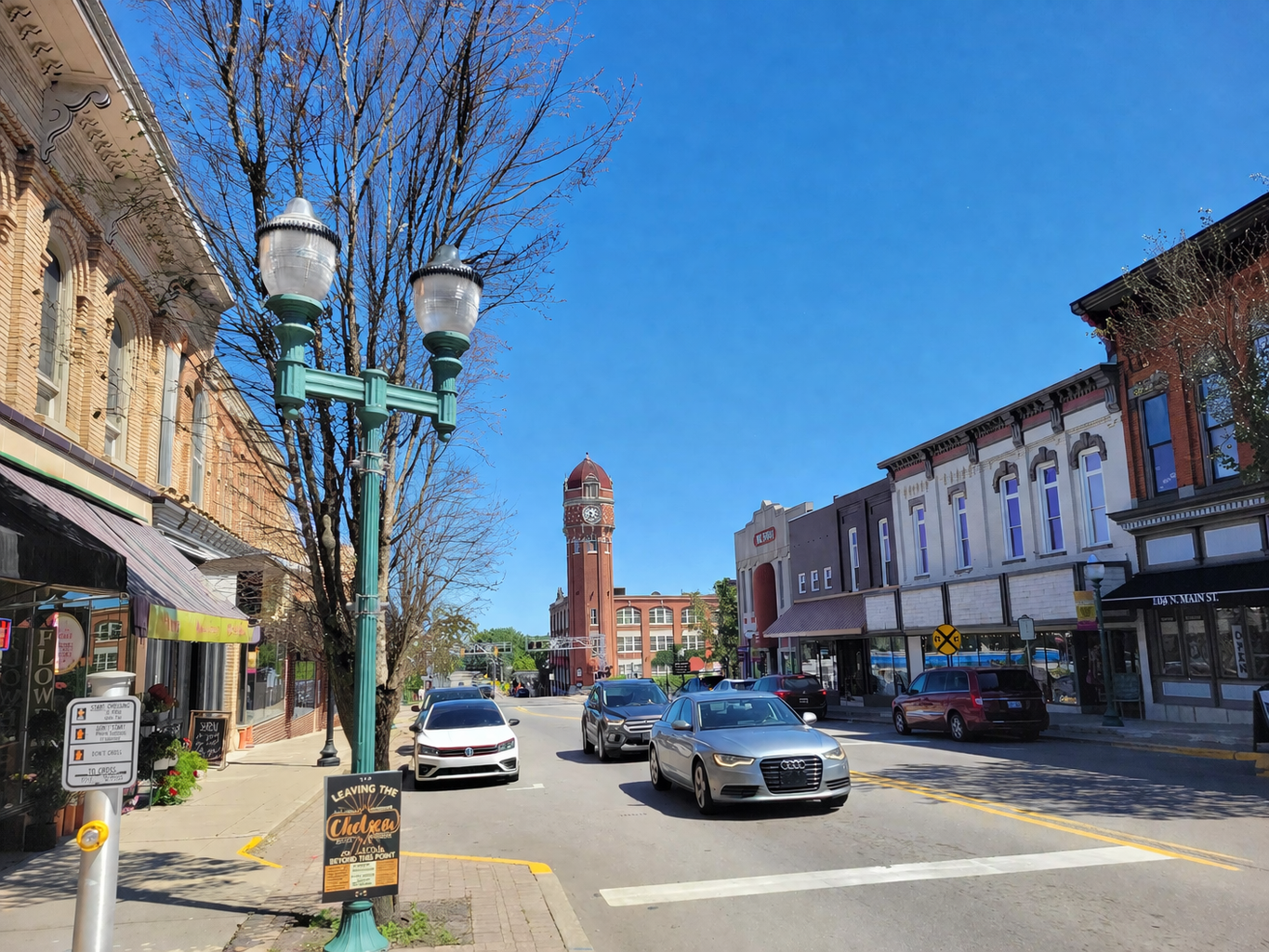

A newly introduced bill in the Michigan Senate would require older drivers to pass regular in-person driving tests to keep their licenses, sparking questions and debate among readers about whether senior drivers are truly a safety concern.
Senate Bill 847, introduced on March 18, 2026, by Sen. Rosemary Bayer (D-13, Farmington Hills, Novi) and referred to the Senate Committee on Transportation and Infrastructure, would change how often older drivers must renew their licenses and what they must do to keep them.
Because the bill has only been introduced and sent to committee, it has not yet been voted on. It is still in the early stage of the legislative process, where lawmakers can hold hearings, gather input, and decide whether to advance it.
What the Bill Would Do
The proposal focuses specifically on drivers aged 75 and older.
Under SB 847, drivers 75 to 84 would have to renew their license in person at least every four years. Drivers 85 and older would have to renew every year in person. Each renewal would require passing a vision test, a written knowledge test, and a driving skills test.
Currently, many renewals can be done online or by mail, depending on circumstances. This bill would require more frequent, in-person evaluations for older drivers. Supporters argue that such policies help ensure drivers remain safe as they age, while critics say they can unfairly target seniors.
A Reader Raises Concerns
After learning about the proposal, a Sun Times News reader questioned whether older drivers are being singled out unfairly.
“I do not believe Senior Drivers cause the multitude of accidents in Michigan,” the reader wrote. “In my opinion, the largest traffic violators are from drug-alcohol use, marijuana use, distracted driving, road rage drivers.”
The bill itself does not argue that older drivers cause the majority of crashes. Instead, it sets age-based testing requirements, raising questions about how crash risk is measured across age groups.
That raises a related question: How do crash risks differ by age, and what does the data show?
Do Seniors Cause Most Crashes?
Older drivers are not responsible for the majority of crashes. Younger and middle-aged drivers account for a larger share of total crashes nationwide. However, traffic safety data is often analyzed in different ways, including crashes per mile driven and crash severity.
Risk Increases with Age
While seniors are involved in fewer total crashes, their risk increases in other ways.
The Insurance Institute for Highway Safety reports that fatal crash rates per mile driven rise for drivers beginning around age 70 and increase more sharply after age 75.
The National Highway Traffic Safety Administration (NHTSA) states that “older drivers have higher crash death rates per mile traveled than middle-aged drivers,” in part due to increased physical vulnerability and age-related changes in vision and reaction time.
This means older drivers tend to have lower total crash numbers but higher fatal crash rates per mile traveled.
Alcohol, Drugs, and Distracted Driving
The reader is correct that these are major causes of crashes. Michigan traffic safety data consistently tracks factors such as alcohol and drug impairment, distracted driving, and speeding.
The NHTSA states that impaired driving and distraction remain leading contributors to serious and fatal crashes. Federal safety data tracks multiple contributing factors to crashes, including impairment, distraction, and age-related risk.
Federal safety agencies identify multiple risk factors that contribute to crashes across age groups. Younger drivers, for example, are more likely to be involved in crashes related to risk-taking behaviors, while older drivers face challenges tied to aging.
Why Age is Part of the Discussion
Research cited by federal safety agencies has identified age-related changes that can affect driving.
The National Highway Traffic Safety Administration states that “older drivers have higher crash death rates per mile traveled than middle-aged drivers,” and notes that changes in vision, cognition, and reaction time can influence driving ability.
At the same time, the agency also reports that older adults tend to drive fewer miles than younger drivers.
Policies like SB 847 would apply additional testing requirements based on age thresholds outlined in the bill.
What Happens Next
SB 847 will now be considered by the Senate Transportation and Infrastructure Committee. Lawmakers may hold public hearings, hear testimony from experts and residents, and/or amend the bill. If it passes committee, it would then move to the full Senate for a vote.
For now, the proposal remains just that—a proposal—and public input could play a role in whether it advances.
Bottom Line
Older drivers do not cause the majority of crashes, but crash risk and severity increase with age, especially after 75. Other factors like alcohol, drugs, and distraction remain major contributors to crashes overall.
Sources
- Michigan Senate Bill 847 (2026)
- National Highway Traffic Safety Administration (NHTSA) – Older Drivers
- Insurance Institute for Highway Safety (IIHS) – Older Driver Statistics
- National Safety Council – Older Driver Data
- Michigan Traffic Crash Facts (Michigan State Police)





 114 North Main St Suite 10 Chelsea, MI 48118