The Gelman Plume has finally been added to the Superfund National Priorities List (NPL) by the Environmental Protection Agency (EPA). On March 12, the EPA announced it was adding the Gelman Sciences Inc. site to the list of the nation’s most contaminated sites.
The agency issued a press release on the announcement.
Designation
“With this Superfund designation, EPA will use its statutory authorities to hold the company responsible for near- and long-term actions to more expeditiously address possible risks to human health and the environment,” EPA Regional Administrator Anne Vogel said in the announcement.
According to the EPA, it “adds sites to the Superfund NPL when releases of contamination pose risks to human health and the environment. This list serves as the basis for prioritizing EPA Superfund cleanup funding and enforcement actions. Only sites included on the NPL are eligible to receive federal funding for long-term, permanent cleanup.
Scio Township’s Response
The site is located in Scio Township off of Wagner Road. The township responded to the designation with a post to its webpage titled: “Gelman Becomes a Superfund: Scio Township Breathes a Sigh of Relief, and Prepares for More Work Ahead.”
In the township’s post, Township Board Trustee Kathy Knol, who has been the board’s point person on this issue for 8 years, said, “This promising outcome is the result of collective work by many people over many years. I am proud of the contribution made by the independent well testing conducted by the Township, which detected dioxane in drinking water wells beyond the previously acknowledged boundaries of the plume. Scio Township will be working collaboratively with the EPA as the process of cleanup moves forward.”
Scio Township said it’s been more than 50 years since Gelman Sciences began disposing of 1,4 dioxane on the property on Wagner Road. According to the township, 1,4-dioxane is a byproduct of the medical filters produced by Gelman. Scio Township said it’s thought that thousands of pounds of dioxane were discharged into soil, surface water, seepage lagoons, and in one deep well injection site on the Gelman property.
Of the designation, U.S. House of Representatives member Debbie Dingell said “Our communities and local officials have raised concerns about the spread of the 1,4-dioxane plume and the risks it poses for decades, since the contamination was first detected in 1985. This designation reflects the hard work the community put in, and we refused to let this issue be ignored.”

Gelman Sciences and the Plume
According to the EPA, from 1963-1986, “Gelman Sciences Inc. manufactured medical filters, a process that discharged wastewater containing 1,4-dioxane into surrounding ponds creating a contaminated groundwater plume.”
The EPA said in 1992, “a county circuit court ordered Gelman to address the plume. Gelman was ordered to contain the plume, prevent groundwater use in contaminated areas, prevent well use within the plume or areas threatened by the plume, connect affected properties to municipal water. Michigan Environment, Great Lakes and Energy is the enforcement lead for Gelman site.”
The EPA said health risks of 1,4-dioxane include liver and kidney damage and cancer.
“The 1,4-dioxane groundwater plume is approximately 3 miles long and 1 mile wide and has migrated into aquifers that supply drinking water,” the EPA said in its announcement. “Currently, the company has an agreement with the state requiring them to pump and treat contaminated groundwater to lower the concentration of 1,4-dioxane within the plume, prevent groundwater use in contaminated areas, prevent well use within the plume, and connect affected properties to municipal water.”
The EPA said this agreement does not require Gelman to restore the groundwater to beneficial use and allows the plume to migrate toward, and discharge to, the Huron River in compliance with the state’s groundwater to surface water interface criterion.
“With this NPL listing, EPA can take action to more effectively control the plume to reduce eastern migration and further degradation of the Ann Arbor aquifer and ensure uncontaminated portions of the aquifer can be used for future commercial and/or residential use,” the EPA said.
“Although there is currently no known human exposure, conditions at the site present a threat because of the potential for the plume to migrate and contaminate the Huron River and drinking water wells,” the EPA said. “1,4-dioxane exceedances in private wells have already resulted in residential drinking water wells to be abandoned and residents to tie into municipal supplied water lines.”
In 2001, the EPA said the city of Ann Arbor closed its municipal drinking water well, known as the Montgomery Wellfield, due to the presence of 1,4-dioxane.
The state of Michigan asked the EPA to list the site to the NPL in 2021. Following years of site assessments, the EPA proposed to add the site in March 2024.
The EPA said cleaning up Superfund sites provides tangible health and economic benefits to American communities.
“By adding the Gelman Sciences site to the NPL, EPA is advancing Administrator Zeldin’s Powering the Great American Comeback initiative by working to provide clean air, land, and water for all Americans. EPA uses all available tools to ensure protection of human health and the environment in partnership with States and impacted communities,” the agency said. “EPA only places sites on the NPL after confirming a threat to human health and the environment, evaluating various avenues for site cleanup, and determining that NPL is the most appropriate and effective option to achieve a protective cleanup.”
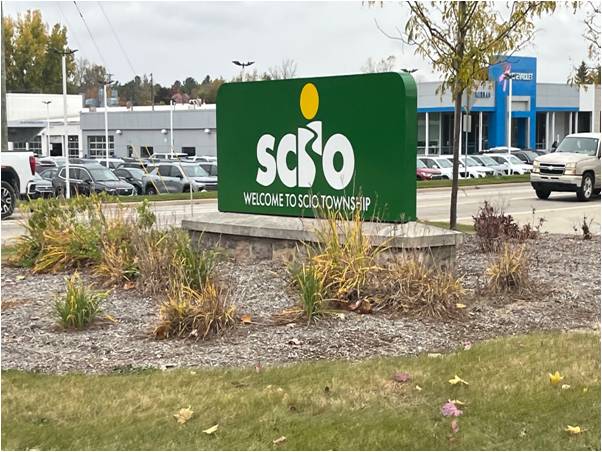
Photo 1: The designation site is located in Scio Township. Photo by Lonnie Huhman
Photo 2: The site identified with the red triangle. Photo: EPA.





 8123 Main St Suite 200 Dexter, MI 48130